Utility bills can feel random—until you zoom out and notice the pattern. For many households, late spring and summer bring higher electricity use (hello, air conditioning) and sometimes higher water use, too.
The good news: seasonal bills are one of the easiest parts of your budget to plan for, because you don’t have to guess from scratch. A simple “summer utilities” plan can help you prepare without extreme cutbacks or turning your home into a renovation project. Think: a quick look back, a small buffer, a few reminders, and a couple low-effort habits that support comfort and cost control.
Use last year’s bills to predict your ‘high month’ and plan ahead
Start with what you already have: last summer’s electric and water bills (paper copies, email PDFs, or your online account history). You’re not looking for national averages or “typical” usage—just your household’s rhythm.
In 10 minutes, jot down:
- Your highest-bill month for electricity (and for water, if it swings in summer)
- Your “normal” months (the stretch when bills are steadier)
- Any notes you remember: vacations, heat waves, guests, lawn watering, a new appliance—anything that explains a bump
Next, build a simple forecast for this year. Instead of trying to predict the exact bill, create a range for your high months (for example, “likely higher than spring by X–Y dollars,” based on last year). Add those high months to your calendar now, so they don’t sneak up on you.
How to set up a utilities sinking fund and bill alerts in minutes
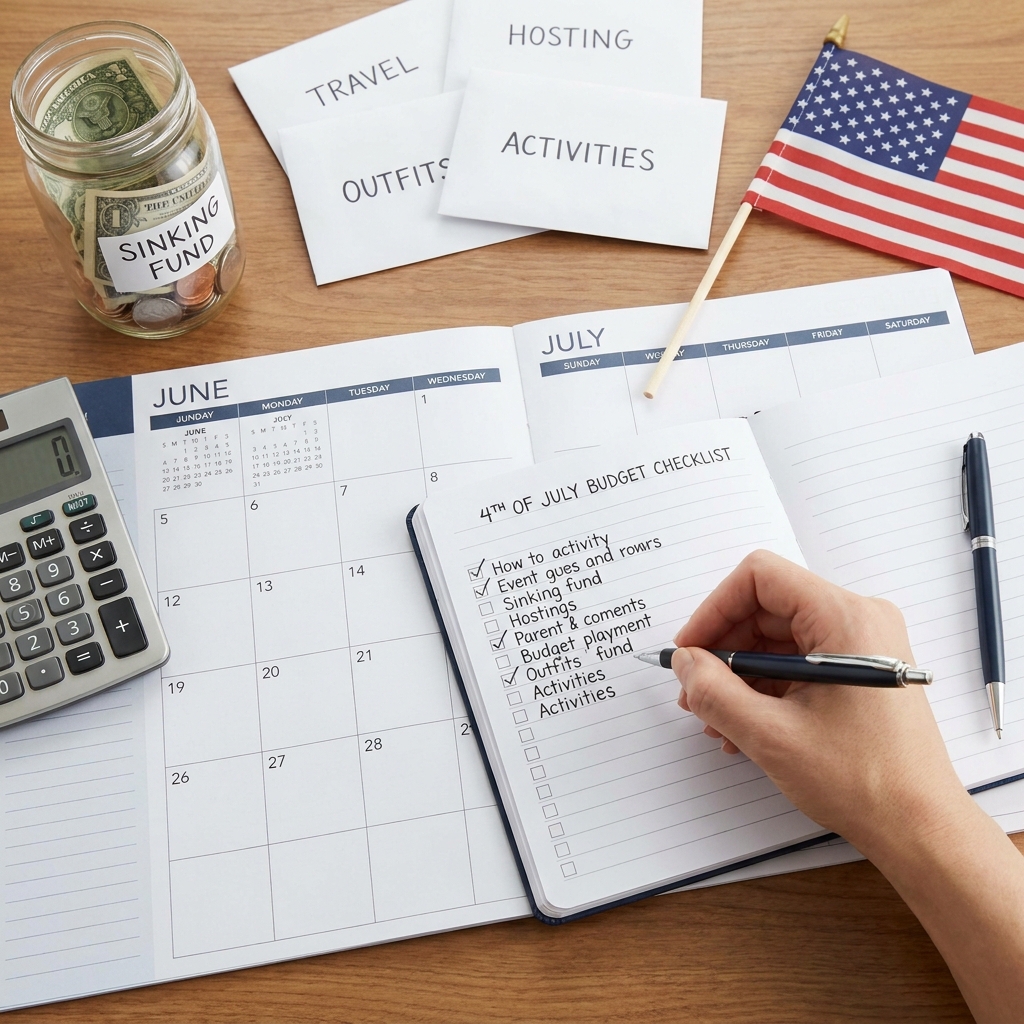
If you’ve ever had a “great” spring month followed by a painful summer bill, a utilities sinking fund can smooth the ride. It’s just a small, dedicated buffer you build during lower months so higher months don’t derail everything else.
Keep it simple:
- Pick the container: a separate savings account, or a clearly labeled budget category (many budgeting apps let you create one)
- Choose a cadence: weekly, every paycheck, or monthly—whatever you’ll actually stick with
- Set a target range: enough to help cover the difference between a typical month and a high month (use last year’s notes as your guide)
Then add quick protections:
- Bill due-date reminders (calendar or your utility’s autopay reminders)
- Low-balance alerts on your checking account
- Budget notifications if your utility category is trending high mid-month
None of this requires cutting comfort—it’s about timing and visibility.
Low-effort habits that can help—without turning your home into a project
When you’re planning for a higher electric bill, small routines can complement your budget buffer. The goal is “set-and-forget” where possible, not a summer-long DIY marathon.
Options to consider (choose two or three, not all):
- Thermostat routine: pick a consistent, comfortable setting and avoid frequent big swings; if you have a programmable or smart thermostat, use a simple schedule you can live with
- HVAC filter reminders: set a recurring calendar prompt to check/replace filters based on your system’s needs
- Heat-timing: run the dishwasher or laundry at times that feel manageable for your household (some people prefer avoiding the hottest part of the day)
- Quick leak check: watch for obvious drips or running toilets and address them promptly (even small leaks can add up over time)
Also worth a fast “billing options” check: some utilities offer levelized budget billing (sometimes called budget billing or level pay), where your payments are more even across the year with periodic adjustments. Programs vary widely by provider, so treat this as a question to ask—not a one-size-fits-all solution.
If bills are already too high: calm first steps (no shame, just options)
If you’re already feeling behind, you still have choices. Start with steps that are practical and low-stress:
- Review the bill details: confirm the billing period, meter read (if shown), and whether the bill is estimated or actual
- Call the utility early: ask about payment arrangements, due-date changes, or hardship programs (availability varies)
- Look up energy assistance resources: the federal Low Income Home Energy Assistance Program (LIHEAP) is a starting point for finding help in your state
Finally, consider printing (or saving) a one-page “summer utilities planner”: your predicted high months, your sinking-fund transfer amount, your alert settings, and one or two habits you chose. This article is informational only and isn’t financial advice—if you need personalized help, a qualified nonprofit credit counselor or local assistance agency may be a good next step.
Sources
Recommended sources to consult (and to verify any program details that vary by utility, location, or eligibility):
- U.S. Department of Energy (energy.gov) — general, non-technical energy-saving guidance
- ENERGY STAR (energystar.gov) — cooling and home efficiency tips without guaranteed savings claims
- Low Income Home Energy Assistance Program, U.S. HHS (acf.hhs.gov) — how to find state and local LIHEAP programs and application pathways
- Consumer Financial Protection Bureau (consumerfinance.gov) — budgeting basics, cash-flow smoothing, and planning for irregular expenses
Verification note: “budget billing,” “level pay,” and similar programs differ by utility provider; confirm terms, eligibility, and true-up policies on your provider’s official site or by calling customer service.